
Professionals
Product information
Multimin Administration Guide
File type: PNG
File size: 221.9 KB
It has been well documented that the new born calf’s mineral status and antioxidant capacity is highly correlated with the maternal source. Significant mineral transfer in the last trimester leads to liver levels which are typically higher than the dam’s levels at birth.
Updated 09.01.2026
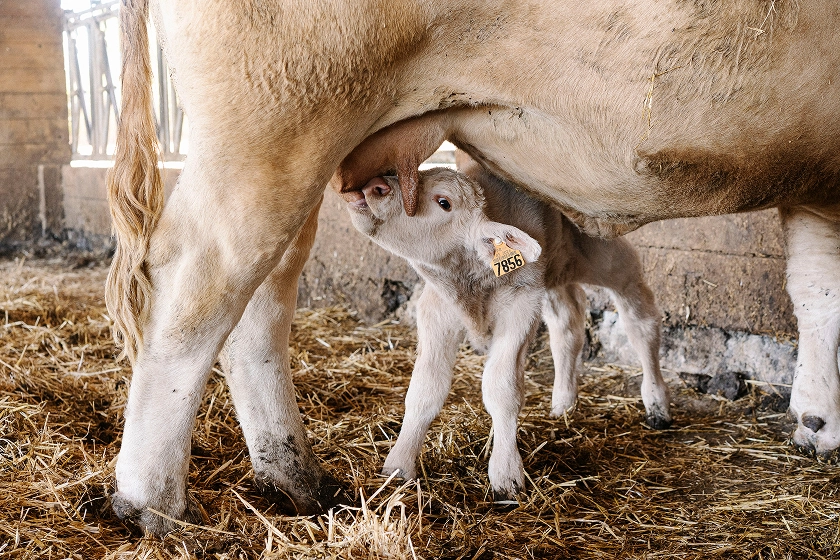
Calf diseases of significant importance (diarrhoea, perinatal mortality and vaccine failure) were all linked to inadequate transfer (and hence status) of copper, selenium and zinc in both French beef and dairy calves 1. Also, cow’s milk is an exceptionally poor source of trace minerals, hence this pre-birth loading of the liver 2. As calves grow, they will rapidly deplete their trace mineral stores3. Birth potentially induces oxidative stress in the new-born and studies show calves born via caesarean section are at greater risk of oxidative stress than those delivered normally4 .
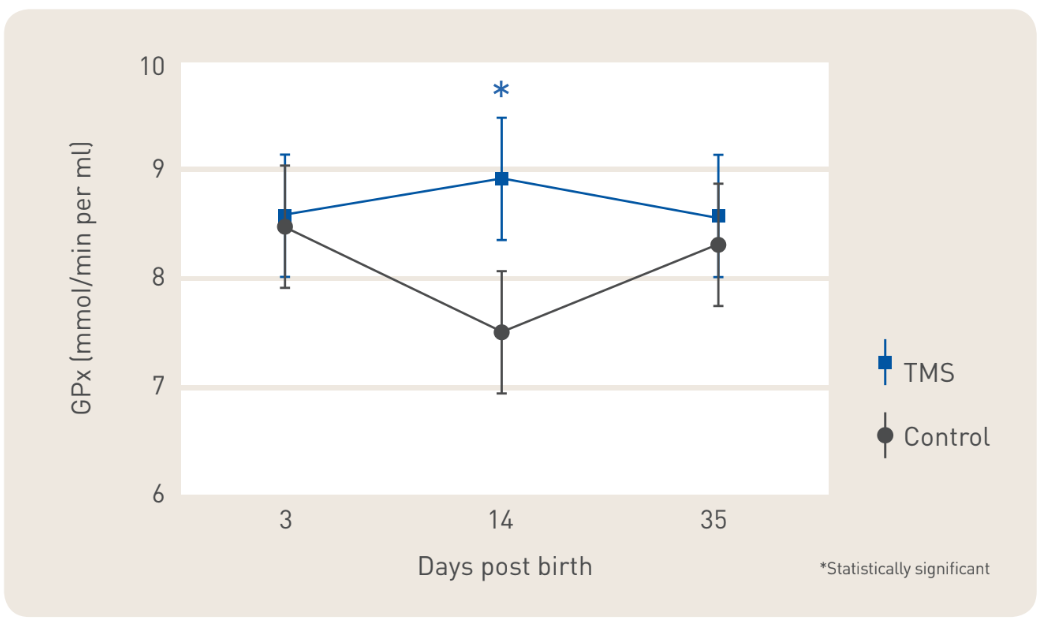
Antioxidant supplementation for calves born by caesarean section may be considered useful to prevent oxidative stress related problems. Supplementing young calves can also improve neutrophil function and GPx (Glutathione peroxidase, a key antioxidant, please refer to the article on oxidative stress its effects on cattle and the role of trace minerals) activity in the first 2 weeks after birth and can reduce the incidence of pneumonia and diarrhoea 5 . See Fig 1.
Weaning stress and transportation has a negative effect on the immune system. This stress typically occurs when the animal is exposed to a variety of infectious agents as a result of transportation and handling. Sub-clinical diseases may appear even while trace elements are fed according to the National Research Council (NRC) requirements, if concomitant negative factors, e.g. stress, exist6 . After weaning, calves enter unfamiliar environments and groups, one result of this is that significant proportions of them tend not to eat, depriving their immune systems of the trace minerals needed to prevent oxidative stress and mount effective immune responses.
Calves fed nutritionally adequate diets might have adequate mineral balance, however after being stressed and due to poor body mineral stores, these calves could become sub-clinically deficient. With the rise of the stress hormone ACTH, which comes with periods of fasting and starvation there is muscle catabolism. This leads to amino acid binding trace minerals as they are filtered through the kidneys further exacerbating the depletion7 .
Thus, the use of an injectable trace mineral supplement in advance of stressful periods like weaning, transportation or housing can help reduce the variability in trace mineral levels observed in most cattle given free choice mineral intake and help to combat oxidative stress.
1. Enjalbert F. 2009, The relationship between trace elements and status and health in calves, Revue Méd. Vét., 2009, 160, 8-9, 429-435
2. Suttle N. P., 2010 Mineral Nutrition of Livestock, 4th Edition
3. Branum J. C., 1999 “Impact of prenatal dietary copper level on copper status and immunity of newborn and growing calves.” Submitted to the Office of Graduate Studies of Texas A&M University
4. Erisr M. F. M, Kandemir, M.Y. The effects of caesarean section on SEL: The effects of caesarean section on lipid peroxidation and some antioxidants in the blood of newborn calves lipid peroxidation and some antioxidants in the blood of newborn calves. Vet. arhiv 83, 153-159, 2013.
5. Teixeira A.G.V., Lima F.S., Bicalho M.L.S., Kussler A., Lima S.F., Felippe M.J., Bicalho R.C., J Dairy Sci_2014 Effect of an injectable Trace Mineral supplement containing Selenium, Copper, Zinc and Manganese Immunity, Health, Growth of Dairy Calves
6. Guyot H., Saegerman C., Lebreton P., Sandersen C, Rollin F, 2009, Epidemiology of trace element deficiencies in Belgian beef and dairy cattle herds, Journal of Trace Elements in Medicine and Biology 23 (2009) 116-123
7. Nockels C.F., 1990, Mineral Alterations Associated with Stress, Trauma and Infection and the Effect on Immunity, Compendium Food Animal 1133
Contact support teams with any question by phone or via our quick form.
Contact support teams with any question by phone or via our quick form.
This content is intended exclusively for veterinary professionals. Please log in to your account or register for free to read the full article and access resources.
File type: PNG
File size: 221.9 KB
File type: PNG
File size: 175.5 KB
File type: PDF
File size: 11.1 MB

Get updates on Virbac products, access the latest CPD training modules, and receive resources to support your practice.
Yes, I would like to receive email updates on Virbac products, free CPD modules, and practice support resources. You can unsubscribe at any time via the link in our emails.
Find information and products for your clients
on the Virbac pet owner website

The professional veterinary portal by Virbac. Dedicated to animal health professionals.